


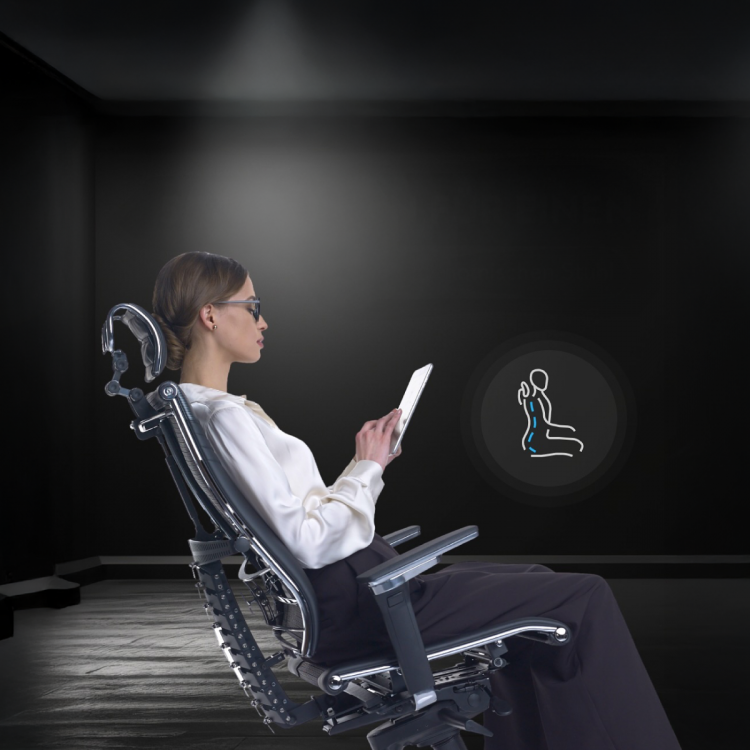
In today’s work culture, where most people spend more than 8 hours a day sitting, the chair you use is not just a piece of furniture—it is a crucial part of your health and productivity. Investing in an ergonomic office chair is no longer a luxury, but a necessity.
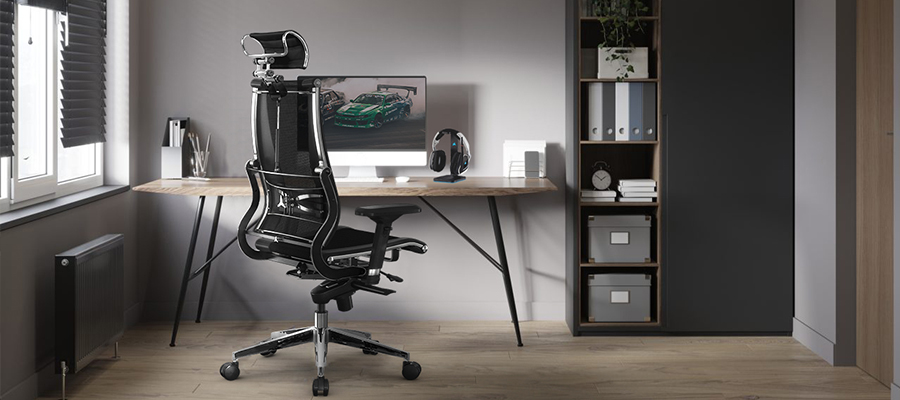
The pain is real — What do the numbers say?
According to recent research, 41% of employees experience frequent neck and shoulder pain due to poor posture while sitting and using non-ergonomic furniture. These problems often develop gradually, becoming chronic and difficult to manage if appropriate intervention is not taken.
But the problem does not stop at the neck. An even higher 43% of employees suffer from lower back pain, one of the most common reasons for workplace absence and long-term sick leave. The reason? In most cases, it is an unsupportive office chair that does not follow the natural curve of the spine.
However, it is not just about comfort—it is about health and performance. Research shows that the average office worker sits for up to 10 hours a day, and over 60% of employees in Europe report musculoskeletal pain due to poor posture. According to studies, back pain alone causes 264 million lost workdays per year. Without ergonomic support, your team may suffer silently—both physically and professionally.
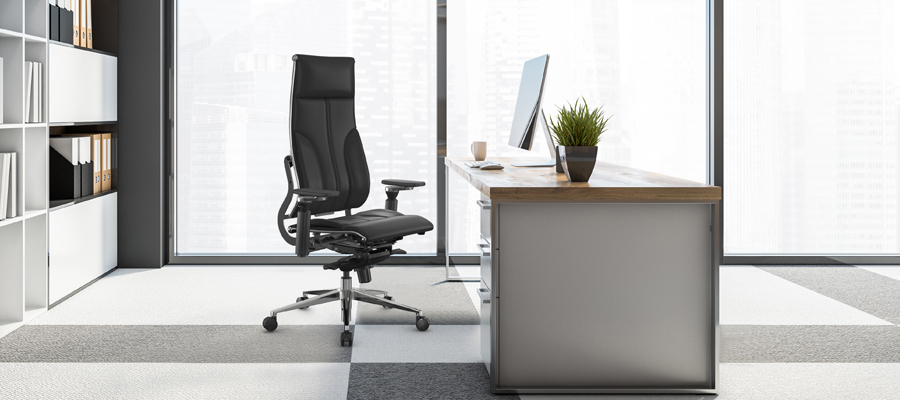
What happens when you do not use an ergonomic office chair?
When sitting in traditional chairs that are not designed for long-term use, several problems arise:
-
Poor posture, leading to spinal misalignment
-
Reduced circulation in the legs and feet
-
Increased fatigue due to muscle strain
-
Decreased focus and productivity caused by constant discomfort
-
Long-term health risks, including chronic pain and joint problems
These issues do not only affect individuals—they directly impact businesses through disrupted workflows and reduced productivity.
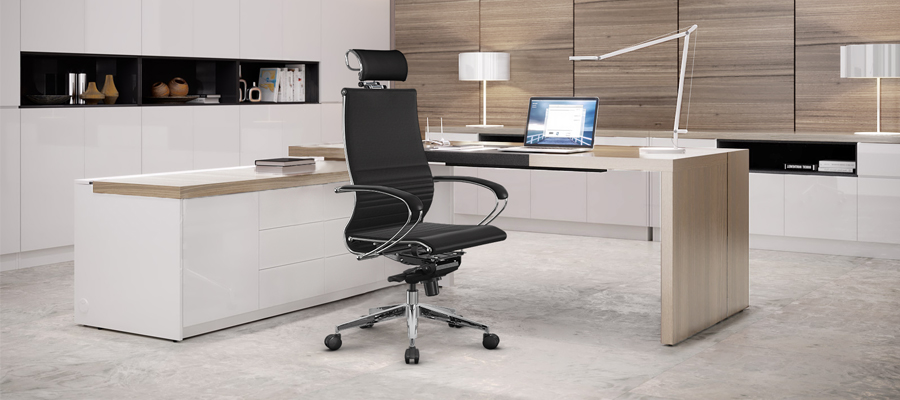
What makes a chair ergonomic?
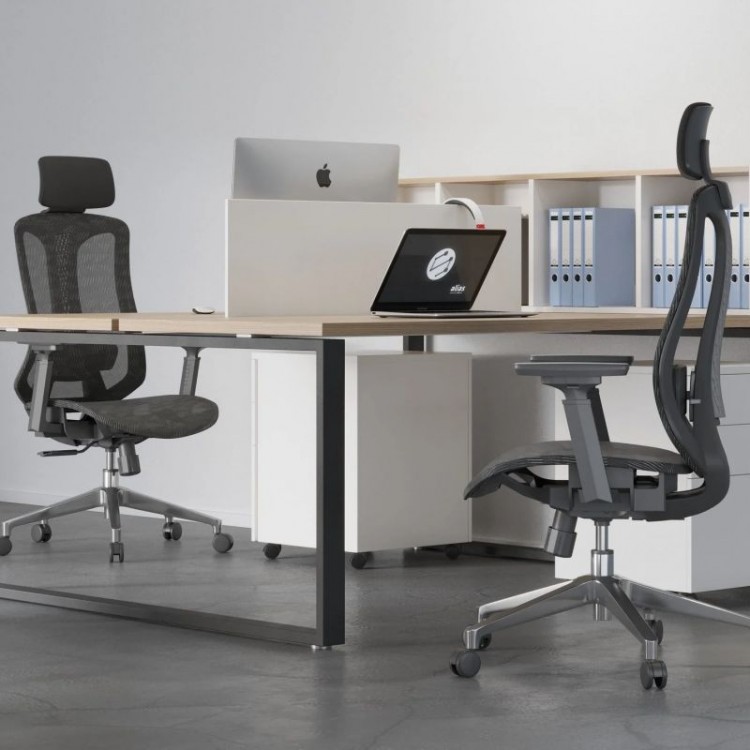
A good ergonomic chair can be adjusted to fit the body and work habits of the user. The ideal ergonomic chair provides:
-
Lumbar support for the lower back
-
Adjustable height and armrests
-
A breathable backrest that supports the natural curve of the spine
-
Swivel and mobility for easy movement
Comfort = Productivity
An ergonomic chair is an investment in employee well-being. It allows your team to work longer, more comfortably, and with greater focus. In return, your business gains higher productivity and improved performance.
Ready for better performance in the office?
Explore our selection of ergonomic office chairs designed to suit different types of use, user preferences, office layouts, and budgets. Choose your favorites and give your team the comfort they deserve.